
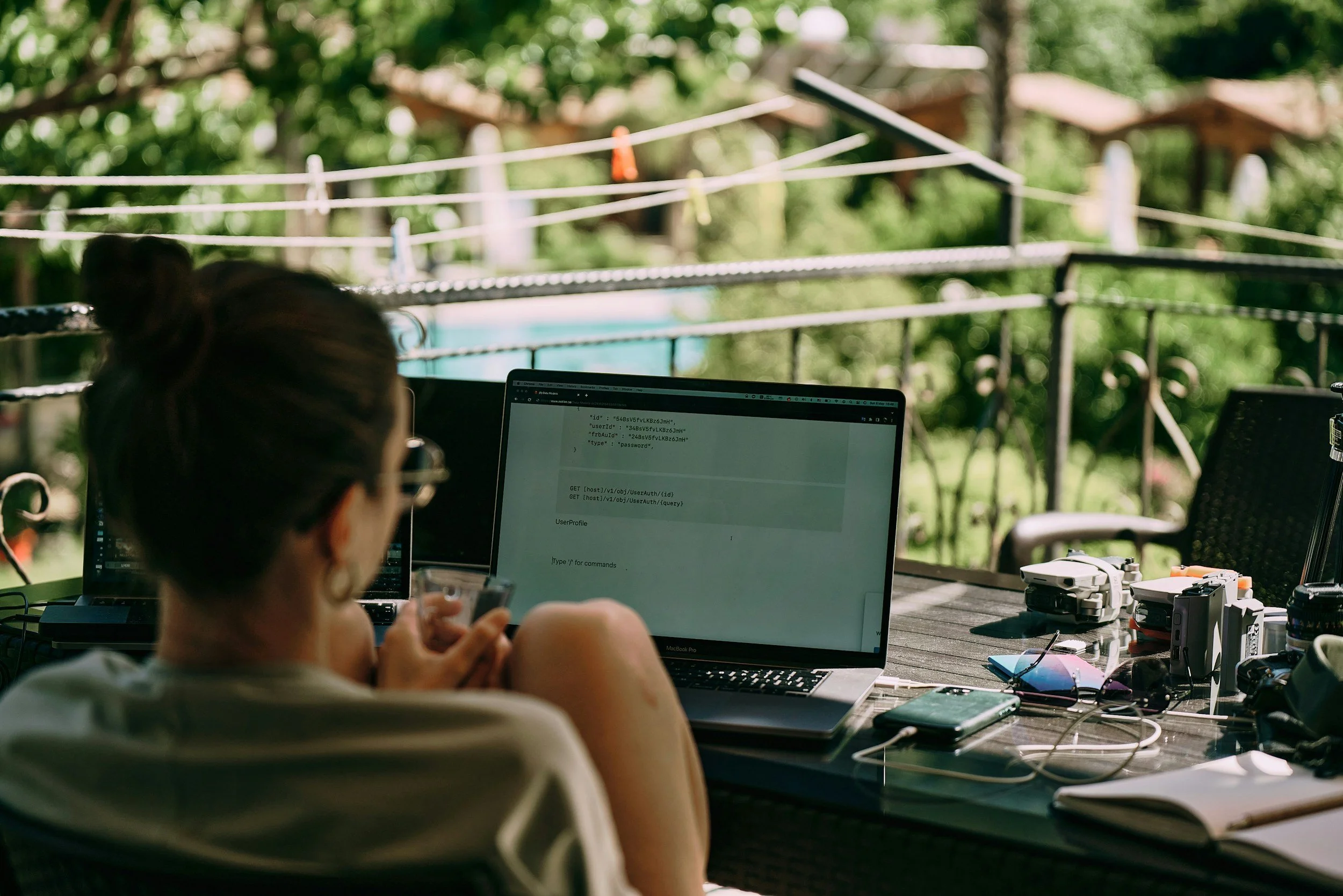
Many people are drawn to digital nomad life because they want more freedom and flexibility. Some want to lower daily living costs while earning in a stronger currency. Others search for a better work-life balance or the ability to explore new places without putting their career on pause.
Those goals shape how people choose where to live and work remotely.
Finding digital nomad-friendly cities in the U.S. can feel harder than in other parts of the world. Costs can be higher, health care feels confusing, and car dependence and isolation are real concerns. It is not always clear which U.S. cities truly support remote workers and longer stays.
Still, there are digital nomad-friendly cities in the United States and we’re on a mission to find them. We are focused on places where people living in the U.S. or visiting from abroad can work comfortably, manage everyday life, and find real community.
Here is exactly what we look for when evaluating a digital nomad-friendly city in the U.S.
Reliable WiFi and Places to Work
WiFi is the backbone of how digital nomads work, so naturally it’s first on our list. Nomads want connections that stay stable during calls, uploads, and long workdays. A city becomes much more nomad-friendly when WiFi works consistently in apartments, coworking spaces, and everyday spots like cafes and libraries. Luckily, most cities in the U.S. have solid internet infrastructure. But going to more rural areas can create a challenge.
Places to work matter just as much as internet speed. Digital nomads need locations with multiple options. Coworking spaces, public libraries, and work-friendly cafes give people flexibility and open the opportunity to connect with the community.
Affordability That Supports Long-Term Stays
Nomads aren’t always looking for the cheapest place possible. We look for cities where everyday life feels sustainable. Short-term rent should be reasonable, groceries should be affordable, and normal daily expenses should not feel like a constant compromise.
That is why many digital nomads might find mid-sized U.S. cities more attractive than major hubs. These places can offer better value and make it easier to stay longer, settle into a routine, and focus on work without financial pressure.
Walkability and Transportation Options
Car dependence is one of the biggest challenges digital nomads face when choosing U.S. cities. Daily life becomes harder when every errand, workday, or social plan requires driving.
Digital nomad-friendly cities offer walkable neighborhoods, reliable public transportation, or bike-friendly streets. Being able to walk to coffee shops, grocery stores, gyms, and workspaces makes everyday routines simpler and more sustainable.
Flexible transportation options also matter. Services like Turo and Flexcar allow nomads to rent a vehicle on a month-to-month basis, which is super helpful for daily life and exploring. Cities with access to trains or long-distance bus lines offer even more flexibility to move between destinations and support longer stays.
Community and Social Life
Community often determines how long digital nomads stay in a city.
Nomad-friendly cities make it easy to meet people in everyday ways. This might be through coworking spaces, group fitness classes, local meetups, or shared hobbies. The best cities have open social groups for different interests that anyone can join, even if they just arrived.
Nomad life also only works when there is something to look forward to after closing a laptop. Parks, trails, beaches, and nearby weekend trips all help create balance. So do good food, cultural events, and simple routines like morning walks or quiet cafes.
Cities that support both community and life outside of work make it easier to avoid burnout and feel a sense of home. Africa
Health Care, Safety, and Everyday Comfort
Feeling healthy and safe affects everything about daily life.
Nomads want easy access to clinics, urgent care, and pharmacies, especially if they rely on regular medications. Knowing prescriptions can be filled without stress, and that care is available when something unexpected comes up is one less thing to worry about.
Safety also shapes how comfortable a place feels. Being able to walk around, work from public spaces, and get home at night without constantly worrying makes it easier to relax and settle in. When a city supports both health care access and a sense of safety, it becomes much easier to focus on work, build routines, and stay longer.
What Makes a City Feel Right for You
There is no single city that works for every digital nomad.
You might love busy places with energy, events, and a packed social calendar. Or you might feel more at home somewhere quieter, closer to nature, or near the water. What feels right depends on how you like to spend your days.
The best nomad-friendly city is the one that fits your life in this moment. A place that works for you now might not be the one you choose next. That is part of the lifestyle. You get to adjust as your needs change. The right city supports how you want to live and work today.
Are you a U.S. nomad?
If you’ve lived in or spent time in a U.S. city you think works well for digital nomads, tell us about it. We’re building this guide with the community and plan to keep updating it as we explore more cities. Your experience helps support our mission and makes this resource more useful for everyone.
Have a city to add? Let us know here or send a quick email to hello@digitalnomadsusa.org.
